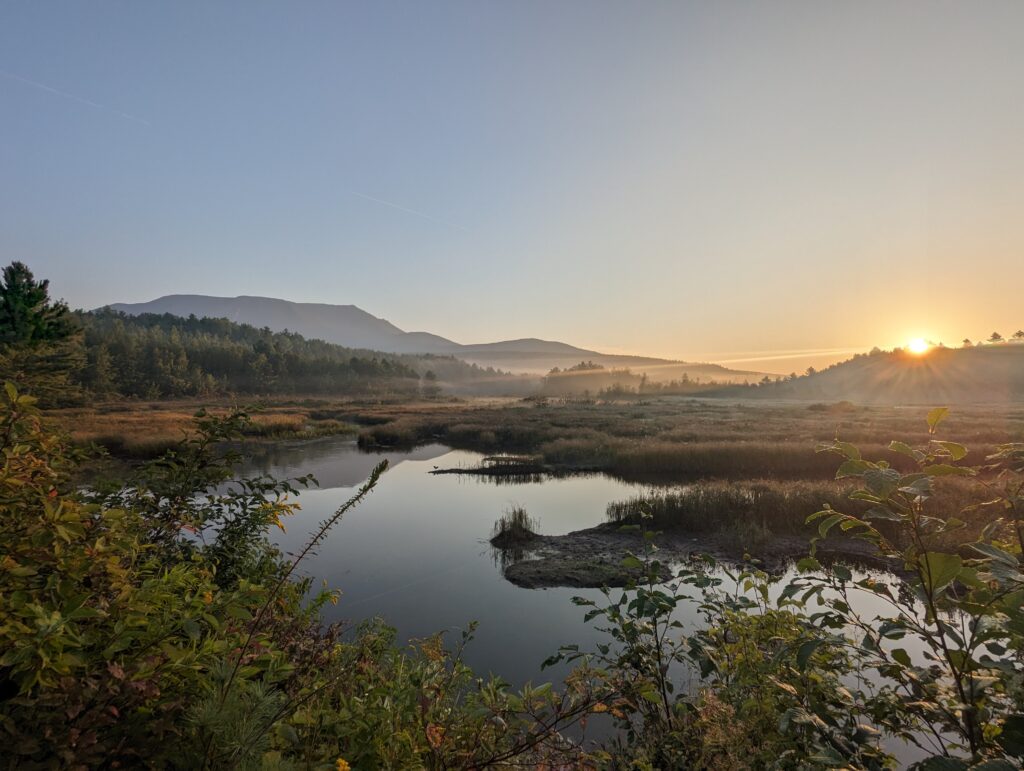
As Earth Day (April 22) approaches, there’s no better way to connect with the planet than through a deep, immersive experience in nature. For an environmental scientist, hiking the Appalachian Trail (AT) offered more than just a physical challenge — it was a chance to get an up-close view of the complex ecosystems they work to protect.

Heather List, a Project Manager III in CEC Monroeville’s Environmental practice, made the 2,200-mile trek across 14 states in 170 days, earning her the title of “thru-hiker.”
She said she had previously toyed with the notion of hiking the AT, but some life changes brought the discussion back around and this time she said “yes.”
She and her hiking partner, Mimi, began their journey in Amicalola Falls near Springer Mountain, Georgia, on March 20, 2023. The early days were filled with the thrill of embarking on such a monumental journey but also adjusting to the demands of daily long-distance hiking.
Adapting to Trail Life
The pair adapted well to trail life, quickly establishing a routine. “We did really well together and enjoyed all of it, even the hard stuff. We found ways to suck the marrow out of the AT,” Heather says with a laugh.
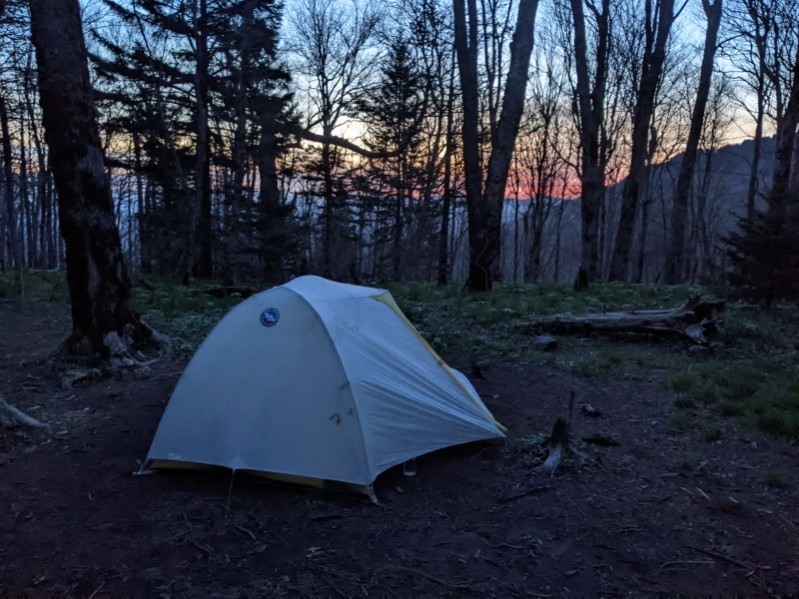
They slept in shelters along the trail, or if they were already in use, they slept in a tent under the stars, in the sleeping bags they carried in their backpacks. They hung their food every night from tree branches
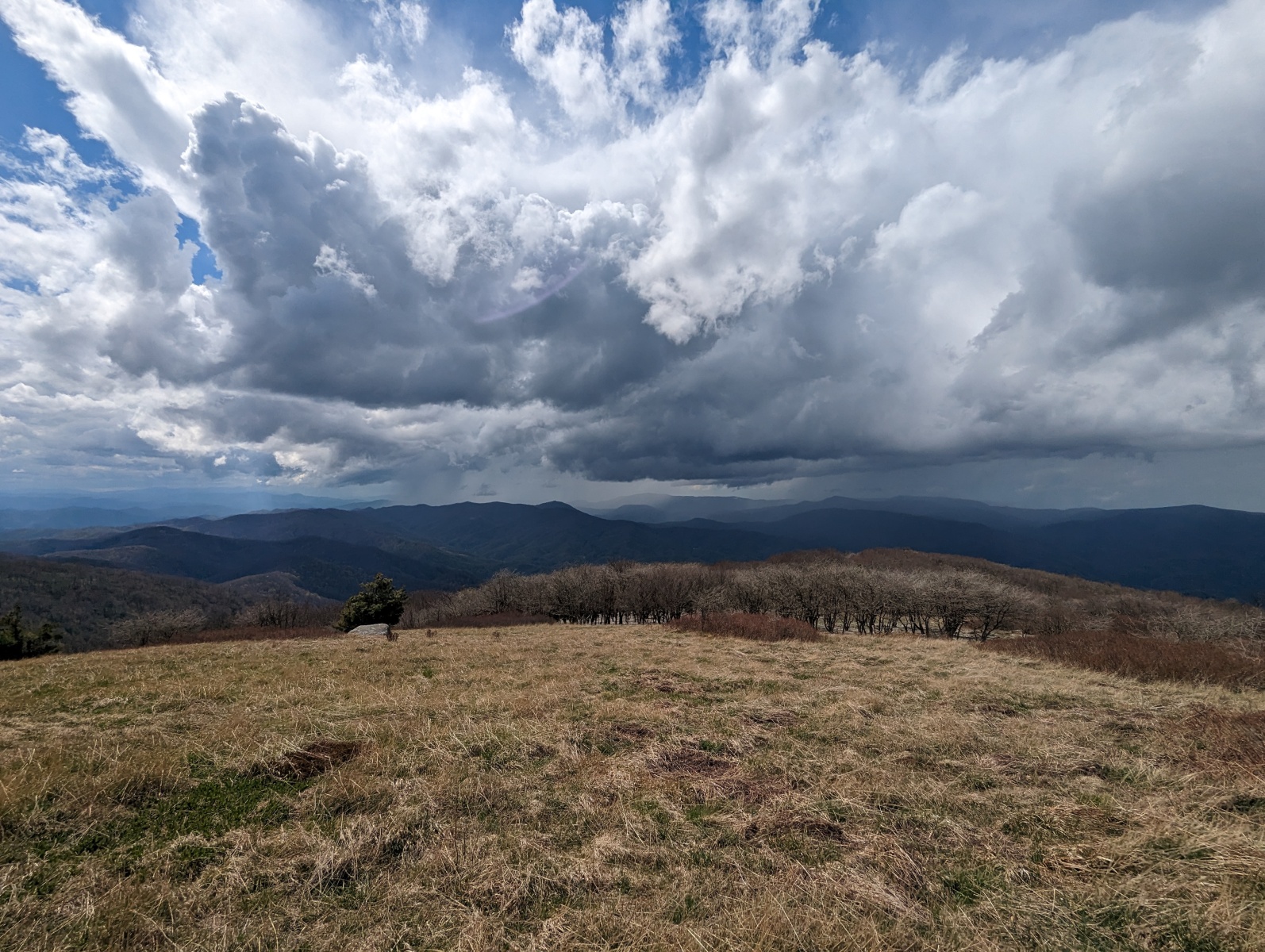
They were hiking most days before 8 a.m. with a general goal mileage for the day. Heather says there really was no way to train for the hike before we began because every day is a unique experience over different terrain, and there’s no way to replicate hiking all day every day other than just doing it. “We saw a variety of landscapes: mossy forests, bogs and beaver dam wetlands, mud holes, mountains, miles of angular rocks, and residential neighborhoods. We learned just how quickly and severely weather can change.”

Wildlife Encounters and Changing Landscapes
They saw a variety of wildlife in the months on the trail, in addition to aforementioned rodents and arachnids, they saw deer, red squirrels, a fisher, rabbits, snakes. “We also saw a turtle that seemingly fell from the sky and landed on the trail ahead of us after rolling down a cliff above.” On another day, they awoke in a shelter to the sound of a massive porcupine gnawing away on the lumber inside.
To stay fueled for long days on the trail, Heather brought along homemade, dehydrated breakfasts and dinners — six varieties for each including strawberry coconut oatmeal and shepherd’s pie, think slightly elevated MREs. Those and other supplies were replenished via re-supply stops along the trail and by her husband, Nick, as he met them about every three weeks. “He was able to share in our adventure and make it his own as well.”
They cooked other meals like “ramen bombs” (a pack of instant ramen mixed with instant mashed potatoes) and also leaned into some good old-fashioned kid fare along the way. “We were living off Pop Tarts and gummy bears at times, which was secretly a dream come true,” Heather says.
The Support and Magic of the Trail
“One of the things I loved about the Appalachian Trail was how strong the trail community is — both with other hikers and communities along the trail. There’s a ton of love surrounding thru-hikers. People would often provide food, pick up thru-hikers and take them into town. Thru-hikers call that ‘trail magic,’ she says. “We saw the best side of humanity all along the trail.”
Heather recounted the story of a guy rolling by with an old pick-up truck offering free produce fresh from a nearby farmers’ market, and another when they came across a group of trail angels grilling hot dogs in the middle of the trail for the hikers.
“It’s just amazing to see how strong the community is. There’s nothing like eating a grilled cheese sandwich made by a trail angel after you’ve been hiking for weeks on end. Any food I didn’t have to carry was top shelf!”
As their 5-month trek neared the end, she says the Vermont and New Hampshire portion was marked by rugged terrain. The White Mountains in New Hampshire presented some of the most demanding sections of the trail, pushing Heather and Mimi to their limits.

Despite these challenges, the sense of accomplishment and the camaraderie among hikers kept them moving forward. “One of the things I’m most proud of is being able to truly find joy in the difficulty of the journey —laughing with other hikers about how much our bodies hurt and being able to joke about being rained on or eating the same thing for the thousandth time, made the adventure even more fun!”
“Being present in the moment is a gift the AT provides. You slow down to enjoy it, and learn about yourself,” she adds.
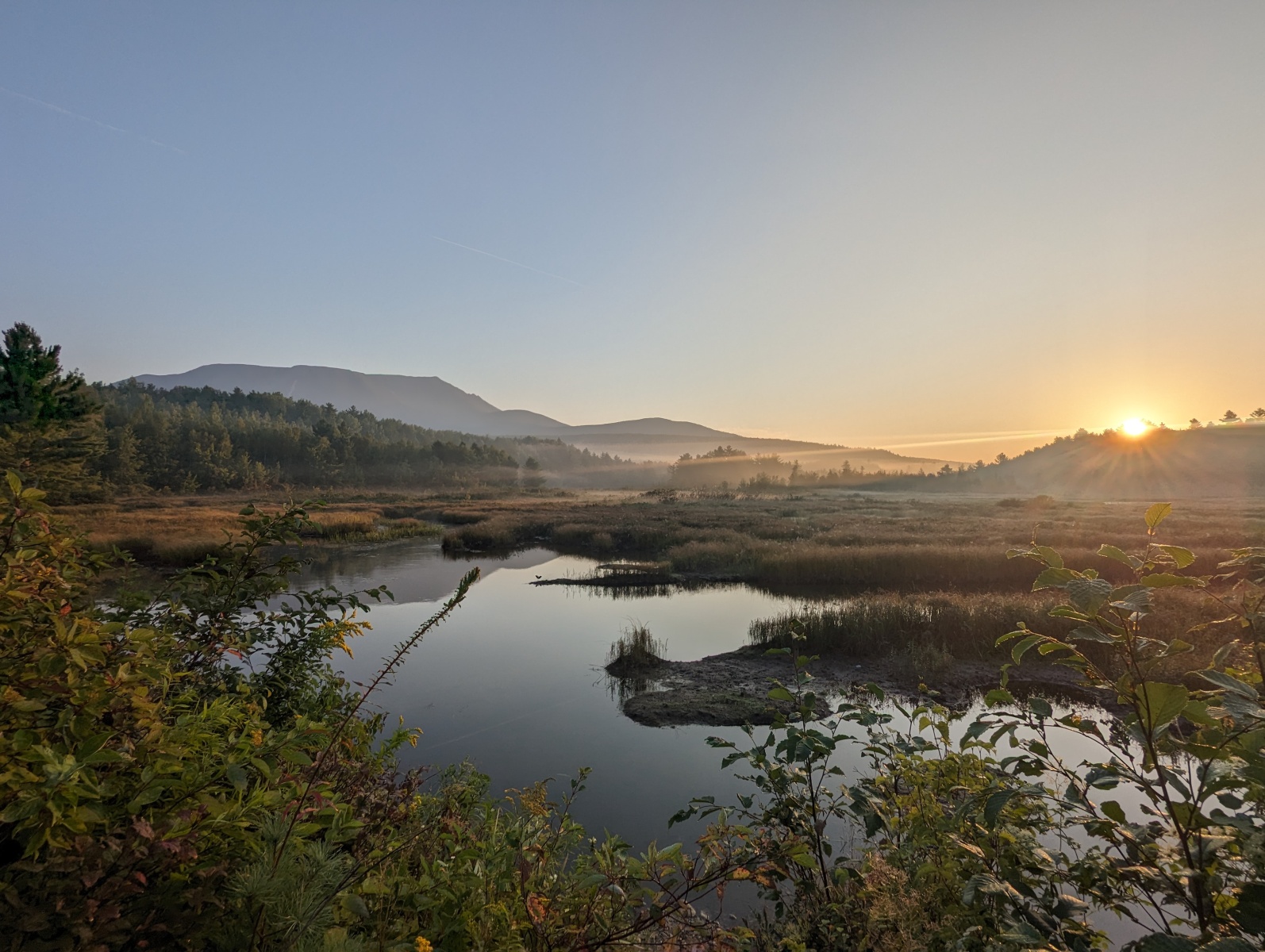
The final stretch through southern Maine and the Hundred-Mile Wilderness was both physically demanding and spiritually uplifting, culminating in a triumphant finish at Mount Katahdin in Baxter State Park, Maine, on Sept. 5, 2023.
“Saying ‘yes’ to the trail completely changed my perspective on my personal life, my career. It has totally given me a deeper appreciation of the power and beauty of the world in which we live and how we can live in balance with it. It’s an experience I wouldn’t trade for anything,” Heather says. “Mourning the fact the trek is over is always replaced by the gratitude I feel for being able to experience the Appalachian Trail at all.”
As we celebrate Earth Day, Heather’s adventure serves as an inspiration to safeguard the beauty of our world, and to get out and experience it!
FAQs
What is the Appalachian Trail (AT)?
The Appalachian National Scenic Trail — more commonly known as the Appalachian Trail or “the AT” — is a unit of the National Park System. Fully connected in 1937, the AT stretches from its northern terminus at Katahdin, Maine, to its southern terminus at Springer Mountain, Georgia. At more than 2,190 miles in length, the AT is the world’s longest hiking-only footpath.
Where does the AT begin and end?
The northern terminus of the AT is the summit of Katahdin in Maine’s Baxter State Park. The southern terminus is Springer Mountain in the Chattahoochee-Oconee National Forest in Georgia. The Trail also winds through New Hampshire, Vermont, Massachusetts, Connecticut, New York, New Jersey, Pennsylvania, Maryland, West Virginia, Virginia, Tennessee, and North Carolina — 14 states in total.
Source: Appalachian Trail Conservancy
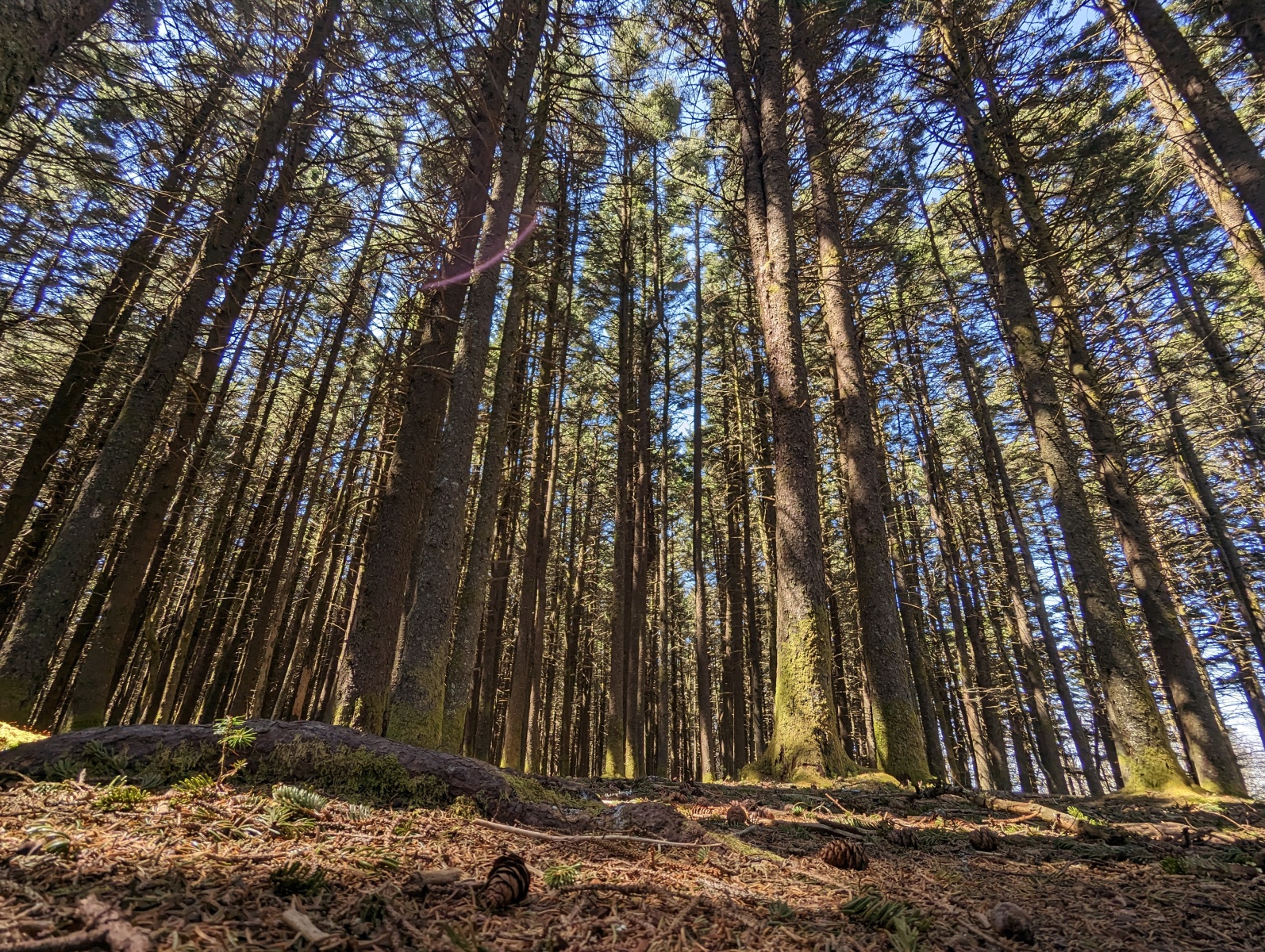
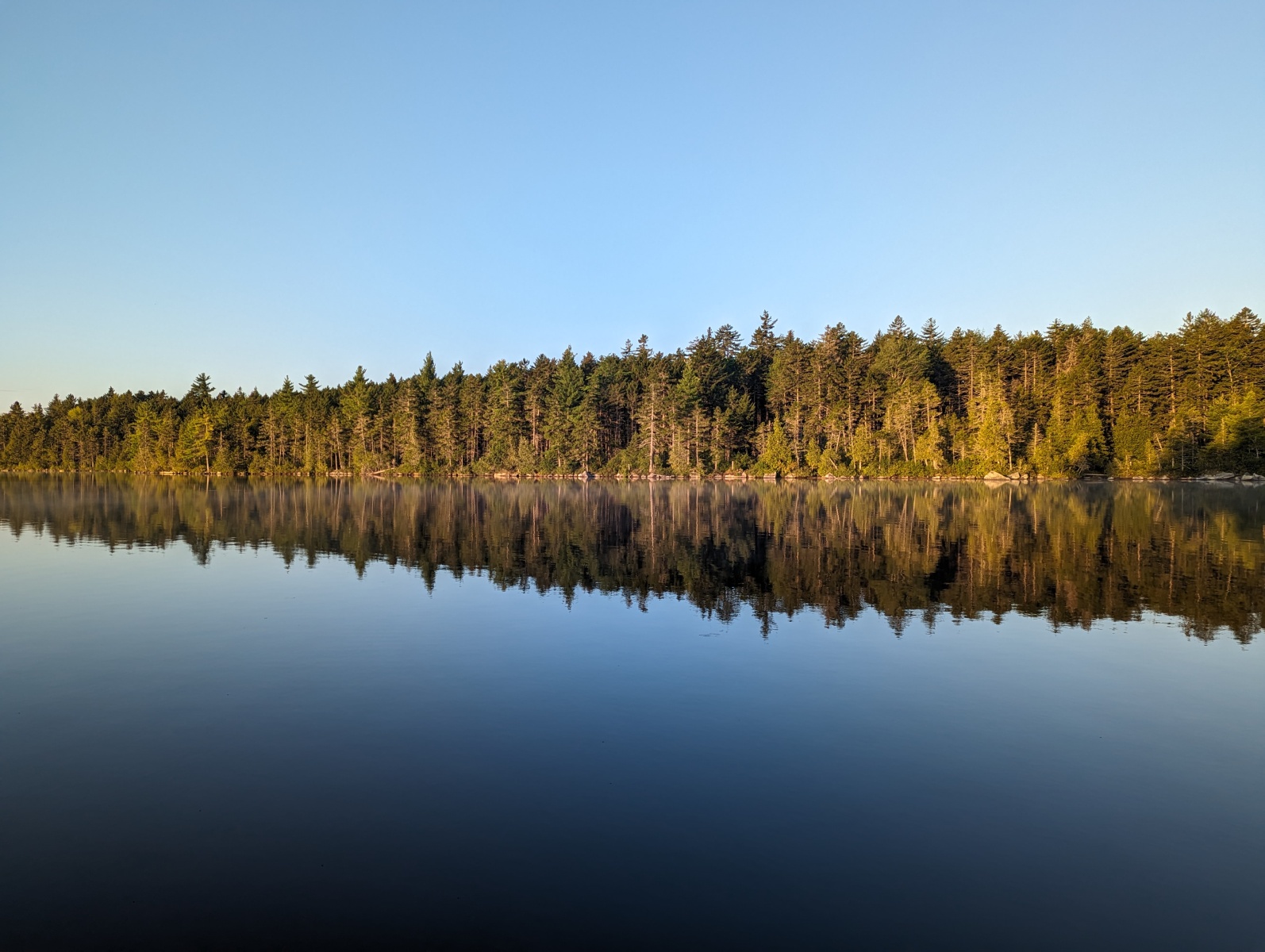
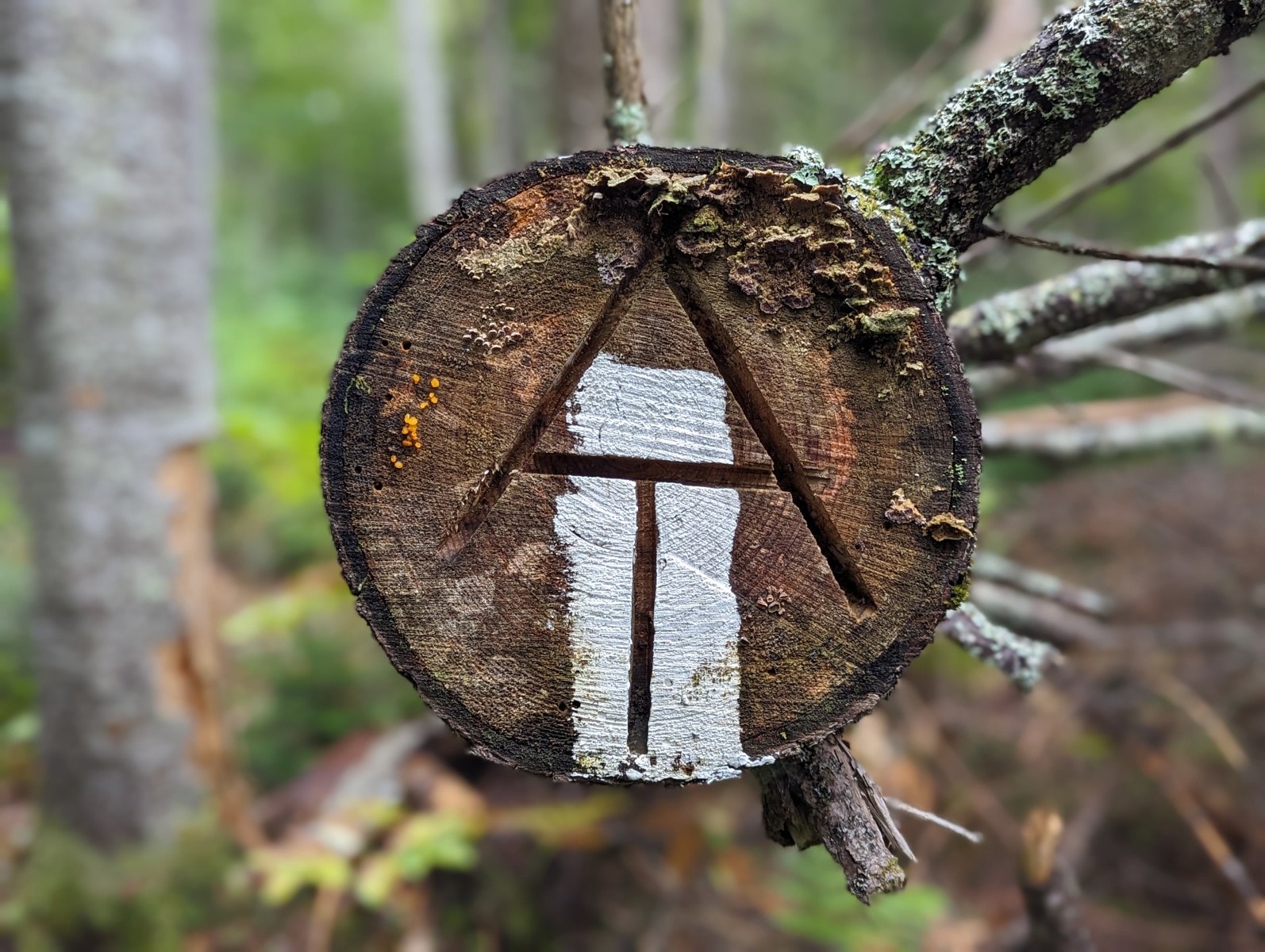
Here are a few more of Heather’s AT pictures.










Post a Comment