PFAS are a group of synthetic chemicals that includes the compounds perfluorooctanoic acid (PFOA) and perfluorooctane sulfonic acid (PFOS).
These are the two most prominent chemicals in over 4,500 members of the PFAS family. They have been manufactured and used in a variety of applications since the 1940s and are persistent in the environment and in the human body.
Why are they dangerous?
According to the U.S. Environmental Protection Agency (U.S. EPA), exposure to PFAS can lead to adverse human health effects. Studies indicate that PFAS can cause reproductive, developmental, and differentiated organ effects, including in the hepatic, urinary, endocrine, and immune systems. Some PFAS chemicals are suspected carcinogens and regulatory agencies have established health-based criteria at the low part-per-trillion (ppt) levels.
Where are they used?
- Commercial household products, including stain- and water-repellent fabrics, nonstick products (e.g., Teflon), polishes, waxes, paints, and cleaning products
- Personal care products (e.g., shampoo, dental floss)
- Cosmetics (e.g., nail polish, eye makeup)
- Some grease-resistant paper (e.g., fast food containers/wrappers, microwave popcorn bags, pizza boxes, candy wrappers)
- Certain types of fire-fighting foams
- Production facilities or industries that use PFAS
Where are they found in the environment?
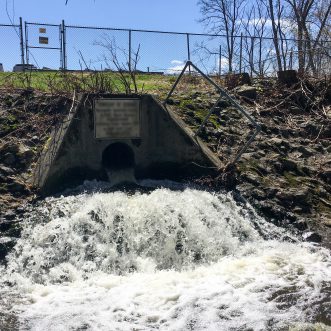
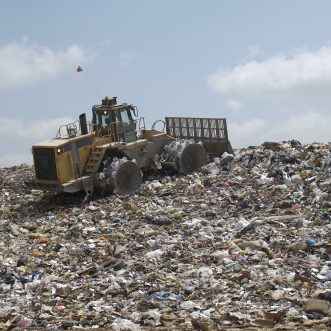
- In soils, sediment, drinking water, and other media, especially when impacted by a specific facility or activity (e.g., manufacturer, landfills, wastewater treatment plants, firefighter training facilities)
- In biosolids that are derived from wastewater treatment facilities and are used in agriculture
- In food that has been packaged in PFAS-containing materials, processed with equipment that used PFAS, or grown in PFAS-contaminated soil or water
- In living organisms, throughout the food chain, where they accumulate
What are the cleanup criteria?
The regulation of PFAS in the environment is rapidly evolving. Although the U.S. EPA has set an advisory of 70 parts per trillion (ppt) for total PFOA/PFOS in drinking water, some states are taking the lead in regulating PFAS in drinking water, groundwater, soil, and other environmental media using more stringent criteria.
If you are acquiring a property where PFAS are or may be present, CEC can assist you in managing these liabilities through the early identification of potential problems and can help you to develop appropriate strategies for remedial actions and future site use.
At both active and inactive facilities, CEC can perform site characterization studies, including Phase II environmental site assessments (ESAs) and remedial investigations. CEC begins with a detailed review of historical records followed by a comprehensive inspection of the facility.
CEC can assist clients with sampling environmental media to analyze for PFAS. We have protocols in place to address the unique aspects of PFAS sampling. The sampling protocols can be very rigorous because of the presence of PFAS in everyday materials. During installation of monitoring wells, we take special care to ensure that no external sources of PFAS are introduced during drilling, installation, and sampling. CEC can evaluate if PFAS compounds in your groundwater samples are attributable to your operations or to an off-site source.
CEC can assist clients with directing the remediation of historic and recent PFAS releases, including from PFAS-containing fire-fighting foams. CEC can evaluate site cleanup alternatives, negotiate remediation programs with regulatory agencies, design remedial measures and monitoring plans, perform feasibility studies, implement cost-effective waste treatment methods, and coordinate the transportation and disposal of PFAS contaminated media.
CEC professionals can evaluate groundwater data, compare the PFAS results against the regulatory criteria, and submit summary reports to the applicable federal and state regulatory agencies. CEC can provide post-closure monitoring and inspection services on your landfill in accordance with your groundwater management permits and solid waste post-closure permits.
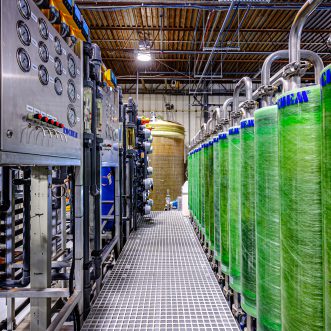
CEC can assist with design of water and leachate treatment systems, including the initial characterization of the water or leachate and the evaluation of potentially applicable treatment alternatives to develop an effective treatment train.
Senior CEC environmental professionals can provide expertise to law firms concerning contaminated property cases.
Environmental Practice Lead

Due Diligence

Due Diligence

Waste Characterization and Disposal

Waste Characterization and Disposal

Waste Management Facilities

Waste Management Facilities

Regulatory Status

Regulatory Status
Site Investigation and Remediation
Site Investigation and Remediation
Site Investigation and Remediation